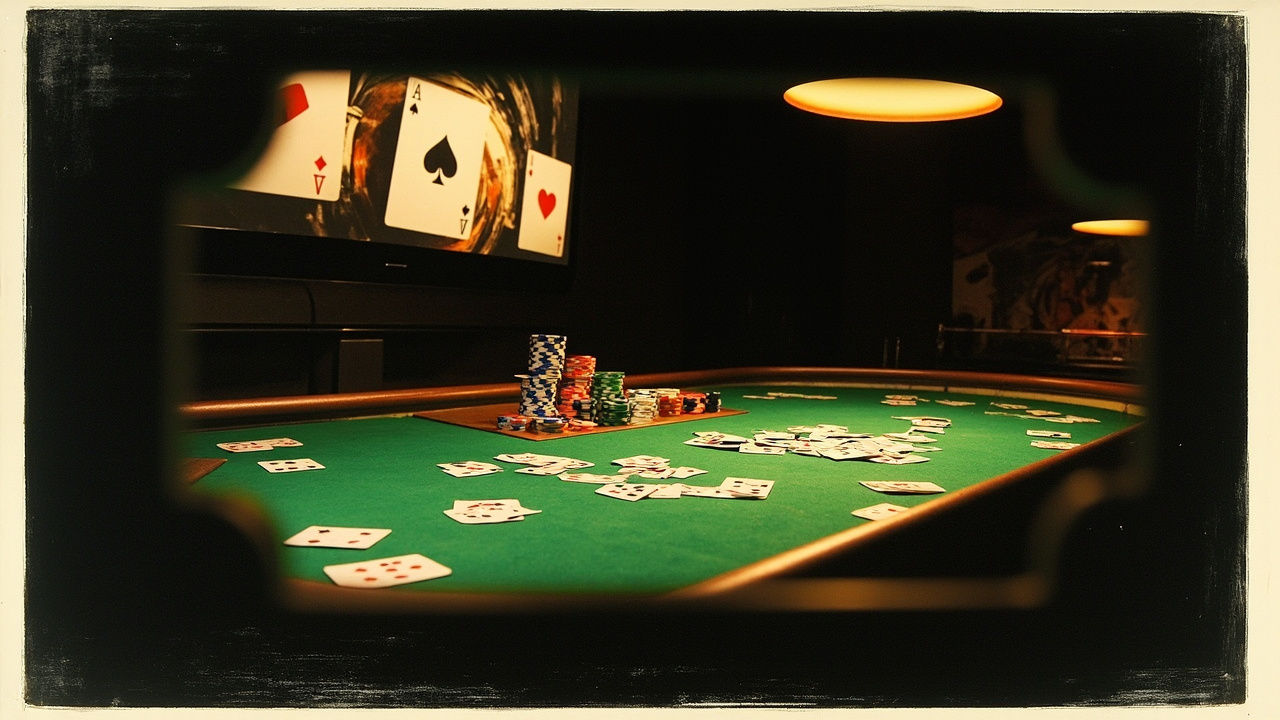
Video Poker vs Poker: Which Table Suits Your Wallet?
If you have ever sat down at a live table and then switched to a screen, you already know the vibe shifts. Video poker vs poker is less about one being better and more about what kind of experience you are actually after. For Australians, the choice often comes down to pace, transparency and how much control you want over every decision. Some players reckon the machine side feels predictable, while others say the live format keeps them sharper. Either way, the practical bits matter just as much as the cards.
That same logic applies when you explore other digital casino formats, where the interface dictates the pace and engagement. If you want to see how a plinko ball casino fits into that screen-first mindset, you can compare the mechanics at https://plinko-online-au.com/. Ultimately, matching the platform to your preferred style of play ensures you stay in the zone that works best for you.
Where the two formats actually diverge

The first thing to sort out is that these are not the same game wearing different outfits. Video poker vs poker comes down to who is dealing the action and how much of the outcome sits in your hands. On a video poker machine, you are playing against a fixed paytable, not against another person, and the dealer card is built into the screen. That means the worst starting hand versus a strong dealer card is often a hard 16, and you are making a hold-or-fold decision in seconds. Live poker, by contrast, puts you across from other players, with the dealer card moving through a community board and the pace set by the table. A regional Queensland club I spoke to recently said their video poker floor runs quiet during the arvo, while the poker room stays busy as, which tells you more about player temperament than anything else.
How the money moves and what you can expect
Payments are where the two formats tend to separate in practice, not just in theory. Video poker machines usually sit inside a cashier flow that feels familiar to anyone who has used an electronic gaming terminal, with deposits and withdrawals tied to the same balance and limits set per session. Live poker rooms often run a chip-buy-in model, where you top up at the table and cash out back to your account, which can mean a different processing rhythm and its own verification steps. An operator I interviewed argued that a single cashier path keeps things simpler for players who want to move between games without re-entering details, while a compliance adviser countered that separate flows actually make it easier to track session limits and flag risky behaviour. For Australians, the key is checking what currency is used, whether AUD is supported end to end, and how long a withdrawal actually takes once it leaves the table or machine.
The transparency question and the house edge
Transparency is where the two formats ask different things of you. Video poker lays its paytable out in front of you, so you can see the return on each hand before you commit, but that return only holds if you play the exact strategy the machine expects. Live poker hides less about the rules, yet the edge comes from skill, position and how well you read the table, which is harder to quantify on a given session. A regional Queensland tournament director told me that players who switch between the two often underestimate how much discipline each one demands, and that is where responsible gambling tools matter most. Setting a loss limit, using session timers and stepping away when the cards turn cold are the same habits either way. The trick is knowing which format matches your patience, because a fast machine round and a slow poker hand are not interchangeable experiences.
What the rules actually mean for your play
The rules around these games are not just window dressing, and they shape what you can do on a given night. Video poker is built around fixed hand rankings and a paytable that rewards specific holds, so the strategy is mostly about knowing when to keep a partial build and when to start fresh. Live poker leans on betting rounds, position and the community board, which means the same two cards can play very differently depending on who is acting and what the dealer card shows. You will sometimes hear people compare the two as if they are close cousins, but three-card monte is a street swindle disguised as a game, and that is a useful reminder to keep your guard up when a format looks simple on the surface. For Australians weighing video poker vs poker, the practical question is whether you want a self-contained machine round with a visible return or a social table where the edge comes from reading the room and managing your chips.

If you are after a quiet, self-contained round with a paytable you can study before you commit, video poker tends to suit that style better. If you prefer reading other players, managing position and playing a slower game where skill and temperament matter more than a fixed screen, live poker is the better fit. The right choice is the one that matches how you want to spend your time and money, not the one that sounds flashier.